How to avoid hidden charges for Yeading gardening jobs
If you've ever received a gardening quote that looked fine at first, then quietly grew legs once the work started, you're not alone. Hidden charges can turn a tidy garden job into an awkward conversation very quickly. The good news is that most of them are avoidable if you know what to ask, what to check, and what should be written down before anyone lifts a spade.
This guide explains how to avoid hidden charges for Yeading gardening jobs in plain English. It covers the warning signs, the questions that reveal extra costs early, and the simple habits that help you keep control of the budget without making the process feel like an interrogation. To be fair, a good gardener should welcome that clarity anyway.
Whether you need regular mowing, hedge trimming, a one-off clearance, or a bigger landscaping project, a transparent quote is the difference between a smooth job and a stressful one. Let's get into it.
Table of Contents
- Why it matters
- How it works
- Key benefits and practical advantages
- Who this is for and when it makes sense
- Step-by-step guidance
- Expert tips for better results
- Common mistakes to avoid
- Tools, resources and recommendations
- Law, compliance, standards, or best practice
- Options, methods, or comparison table
- Case study or real-world example
- Practical checklist
- Conclusion
- Frequently asked questions
Why How to avoid hidden charges for Yeading gardening jobs Matters
Hidden charges usually show up in one of three ways: extra labour, extra materials, or extra disposal costs. Sometimes they're genuine. A garden can hide a surprise or two under the soil, and not every job can be priced perfectly from a photo. But when those costs are not explained before work begins, trust takes a hit and the final bill feels much larger than expected.
For local homeowners in Yeading, this matters because gardening jobs are often varied. One week it's a quick lawn cut; the next it's a hedge that's grown a bit wild after a rainy spell, or a garden clearance that needs more time than first thought. If the quote isn't specific, a simple job can become a vague one. And vague quotes are where people get caught out.
It also matters because gardening is often repeat business. If you're arranging ongoing care, you want a pricing setup that stays predictable. A clear arrangement helps you compare providers fairly, budget properly, and avoid that awkward feeling of "hang on, what is this extra line for?" when the invoice lands.
Expert summary: The safest way to avoid hidden charges is to insist on a written quote that spells out labour, waste removal, materials, access issues, and anything that could realistically change the price.
If you are also comparing services, it can help to look at a provider's wider approach to pricing and quotes, because transparency is usually a good sign across the whole business, not just one page.
How How to avoid hidden charges for Yeading gardening jobs Works
The process is simple in principle, though in real life it takes a bit of attention. You start by describing the job clearly, then the gardener prices it based on scope, access, labour time, materials, and disposal. The more precise the scope, the less room there is for surprise add-ons later.
What makes hidden charges happen is usually a gap between expectation and reality. You may be thinking of a "garden tidy-up", while the contractor is imagining a full cut-back, waste load, and green bin fees. Neither side is necessarily wrong. They just haven't defined the job the same way. That's the core issue, really.
Good quoting usually follows a pattern:
- The site or job is assessed, either in person or through detailed photos and measurements.
- The main tasks are listed clearly, with what is included and what is excluded.
- Likely extras are identified in advance, such as heavy waste, tricky access, stump work, or material delivery.
- The quote states whether the price is fixed or estimated.
- Any conditions are written down so both sides know what happens if the job changes.
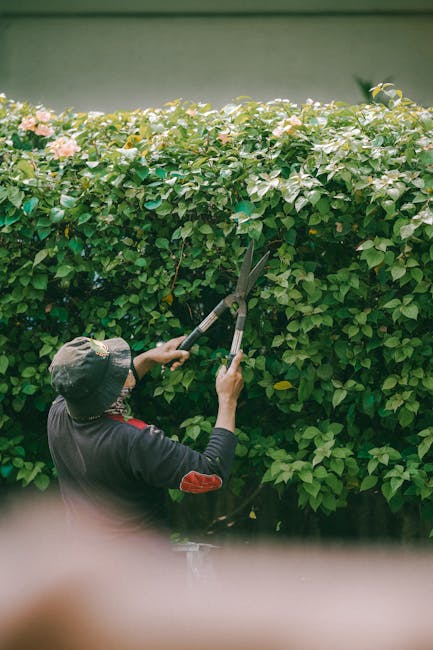
This is especially useful for services that can vary a lot from property to property, such as garden clearance, hedge trimming, lawn mowing, or tree lopping and removal. A lawn cut is usually straightforward. A clearance after months of growth? Not quite the same animal.
In practice, the best protection is to treat the quote like a mini contract. Not scary. Just clear. If something is not written down, assume it may be debated later. Slightly pessimistic, perhaps, but useful.
Key Benefits and Practical Advantages
When you handle pricing carefully, you get more than just cost control. You get a calmer, cleaner process from first contact to final sweep-up of the driveway.
- Budget certainty: You can plan properly instead of guessing what the final bill might be.
- Better comparisons: You can compare like-for-like quotes rather than comparing one vague estimate with another.
- Less conflict: There is less room for disagreement if the job scope is written down.
- More suitable service choices: You can choose between one-off work and ongoing garden maintenance with clearer expectations.
- Faster decisions: Transparent pricing makes it easier to say yes or no without endless follow-up messages.
- Higher service quality: Contractors who price clearly often work more methodically, because the scope is defined from the start.
There is also a subtle emotional benefit here. You relax a bit more. You know what is happening, what it should cost, and what would count as a change. That matters on a damp Tuesday morning when the garden is still and the wheelie bin is already half full. No one wants billing drama before tea.
Who This Is For and When It Makes Sense
This approach is useful for just about anyone booking gardening work in Yeading, but it is especially important if you are:
- a homeowner requesting a one-off tidy-up
- a landlord preparing a property between tenancies
- a tenant wanting to avoid deductions or disputes
- a busy family member arranging work on someone else's behalf
- a business owner managing external grounds
- someone planning a bigger project like landscaping or decking
It makes most sense when the job has moving parts. For example, a hedge might look light from the road but be much denser once you get inside it. A "small clearance" might include bags of hidden waste behind a shed. A new patio edge might require careful cutting around existing beds. Little details like that can change price, so they need to be discussed early.
If you're considering broader outdoor improvements, it helps to view the work as a package rather than as isolated jobs. You might begin with clearance, then move into landscaping or landscape gardening once the area is properly prepared. That's where clarity matters even more, because larger projects tend to have more dependencies and more potential extras.
And yes, if you only need a simple mow, you still deserve a clear price. Small job, same principle.
Step-by-Step Guidance
1. Describe the job in normal language, not vague shorthand
Say exactly what you want done. "Tidy the back garden" is too broad. Better is: mow the lawn, cut back the hedge along the fence, remove trimmings, and clear the path. The more concrete you are, the harder it is for hidden extras to sneak in.
2. Ask what is included and what is not
This is the key question. A quote should spell out whether waste removal, green bag loading, fuel, labour, and materials are included. If not, ask what happens if the job takes longer than expected. A good provider will explain it plainly.
3. Ask whether the price is fixed or estimated
A fixed quote means the job should cost the agreed amount if the scope stays the same. An estimate is more flexible, but that flexibility can cut both ways. If you accept an estimate, ask what would trigger a change and how you'll be informed.
4. Check access and disposal details
Hidden charges often come from the practical bits: narrow side gates, long carry distances, parking difficulties, and disposal fees for green waste. If the gardener needs to take materials away, ask whether removal is priced per load, per bag, or as part of the job.
5. Get the quote in writing
Email is fine. A message is fine. A written note is fine. Just make sure the key details are there. Verbal agreements are where memories get fuzzy. Surprisingly fuzzy, in fact.
6. Watch for "subject to inspection" wording
That phrase is not bad in itself. Some jobs genuinely need a proper look before pricing. But if a quote is mostly open-ended, ask for the likely range and the conditions that would change it. If there's a snag under the soil, fair enough. If there's no explanation, that's another matter.
7. Confirm disposal and recycling arrangements
Some jobs generate a lot of waste, especially clearances and pruning work. Ask where the waste will go, whether recycling is part of the service, and whether disposal costs are included. If sustainability matters to you, a provider's approach to recycling and sustainability can also give you a useful window into how they handle debris responsibly.
8. Keep a simple paper trail
Save the quote, any follow-up messages, and any agreement about changes. That way, if something shifts mid-job, you can refer back to the original terms without guesswork. Nothing dramatic. Just tidy admin. Sensible, boring, very effective.
Expert Tips for Better Results
Here are the habits that make the biggest difference in the real world.
- Ask for a breakdown, not just a total. A single number is easier to hide things inside.
- Describe photos carefully. If you send pictures, include close-ups and one wider view. A garden can look small from one angle and be a beast from another.
- Be clear about the end result. Do you want the hedge reduced, shaped, or just neatened? These are not the same job.
- Check whether time-based pricing is capped. Hourly work is fine, but ask how the contractor handles overruns.
- Discuss seasonal growth. In spring and early summer, hedges and lawns often need more than one pass.
- Be realistic about skip-style waste. If the garden has been neglected, disposal may cost more than the cutting itself. Harsh, but true sometimes.
- Use one clear point of contact. Mixed messages from different family members can muddy the quote quickly.
If you want a wider sense of how a company presents its work, its services overview can be helpful for understanding the kinds of jobs it commonly handles. That can make it easier to phrase your own request clearly.
One small trick that helps a lot: ask, "What would make this price go up?" It's a simple question, but it cuts straight to the point. Usually, the answer tells you whether you're dealing with a transparent operator or someone who prefers fog.
Common Mistakes to Avoid
Most people do not get hit by hidden charges because they are careless. They get caught because they trust the wrong level of detail. Big difference.
- Accepting a quote without checking exclusions. This is the classic one.
- Assuming waste removal is automatic. Sometimes it is. Sometimes it absolutely is not.
- Using vague language about the job. "Sort the garden out" sounds easy, but it is far too loose.
- Ignoring access issues. A long walk from the front drive or awkward parking can affect price.
- Comparing only the final total. Cheaper can become more expensive if the small print is weak.
- Not clarifying materials. New turf, soil, gravel, sleepers, fixings, and similar materials may all be extra.
- Not asking about changes mid-job. A good contractor should tell you before costs rise, not after.
Another subtle mistake is treating every gardening job as if it should be priced the same way. A recurring mow is one thing. A garden that needs clearance, hedge reduction, and some reshaping is another. The quote method should match the job. Obvious, but it gets missed.
Tools, Resources and Recommendations
You do not need anything fancy to protect yourself from hidden charges. A notebook, your phone, and a bit of method are usually enough.
- Photos: Take a few clear pictures from different angles before getting a quote.
- Measurements: Rough dimensions help, especially for lawns, hedges, borders, or paved areas.
- Message history: Keep written confirmation of what was agreed.
- A simple job list: Write tasks in order of priority so nothing gets forgotten.
- A budget limit: If there is a hard ceiling, say so upfront.
- Access notes: Mention locked gates, shared alleyways, steps, or parking restrictions.
For service-specific planning, it can also help to look at the exact type of work you need. For example, if your garden mainly needs upkeep, compare that to one-off support through garden maintenance. If overgrowth is the issue, then trimming and clearance may be more relevant than general care. Matching the service to the problem reduces confusion, which in turn reduces quote surprises.
If safety is part of the job, such as ladders, branches, or heavy material handling, it is sensible to ask about insurance and safety as well. That is not just about risk. It also tells you whether the provider works in a structured, professional way.
Law, Compliance, Standards, or Best Practice
For most domestic gardening jobs, the main issue is not a complicated legal rule; it is good business practice. Still, a few UK norms are worth keeping in mind.
A reputable gardener should be clear about pricing, payment terms, and what happens if the scope changes. Terms and conditions matter here. They are not just legal wallpaper. They explain the basis of the quote, cancellation expectations, deposits if any, and payment timing. If you want the formal version, a provider's terms and conditions should be consistent with the quote you receive.
For work involving ladders, branches, heavy lifting, sharp tools, or awkward access, safe working methods are also important. You do not need to inspect anyone's checklist, but it is fair to ask how the job will be carried out safely. A provider with a sensible health and safety policy is usually more likely to plan the job properly and less likely to improvise costs later.
Data handling matters too, especially if you are sharing photos, addresses, access notes, or contact details. That is where a company's privacy policy comes into play. It should explain how your information is used and stored.
And if there is ever a dispute about service or billing, it is reassuring to know whether a company has a formal complaints procedure. You hope never to need it, of course. Still, it's a useful sign of maturity when it exists and is easy to follow.
Options, Methods, or Comparison Table
Not every quote works the same way. Here's a simple comparison of common pricing approaches you may encounter for Yeading gardening work.
| Pricing method | How it works | Best for | Risk of hidden charges |
|---|---|---|---|
| Fixed quote | One agreed price for a clearly defined job | Standard jobs with a clear scope | Low, if the scope is written properly |
| Estimate | An expected cost that may change if the work changes | Jobs where access or waste is uncertain | Medium, unless conditions are spelled out |
| Hourly rate | You pay for time spent on site | Flexible or small tasks | Medium to high, if there is no cap or explanation |
| Day rate | A set cost for a day of labour | Longer jobs or mixed tasks | Medium, depending on materials and waste |
For many homeowners, a fixed quote is the easiest to manage. It gives the clearest line between agreed work and extra work. That said, an estimate can still be fine if the garden is in poor condition or the job is deliberately open-ended. The important part is honesty about how it works.
If you are looking at a larger transformation, such as new layouts, paving, raised beds, or structural changes, it may be worth thinking beyond gardening and into broader landscape gardening or decking services. Bigger projects usually need tighter planning, because hidden charges in a project like that can snowball quickly if materials and labour are not defined.
Case Study or Real-World Example
Picture a fairly ordinary Yeading back garden after a long wet spell. The lawn is patchy but not terrible, the hedge has grown a bit wider than expected, and there's a corner near the shed where old clippings and a broken planter have built up. Nothing dramatic, just one of those gardens that got away from someone over a few months.
The first quote comes in as "garden tidy-up." It sounds fine, but it leaves almost everything open. Does that include waste removal? Does it include the hedge on the back fence? Is the planter counted as rubbish or just left where it is? That is the sort of job where a hidden charge often appears later.
Now compare that with a clearer approach: mow front and back lawn, trim hedge along rear fence, remove all cuttings and loose garden waste, and dispose of one small bag of old plant material. The quote is still only a few lines long, but the scope is much tighter. If the gardener later discovers a second hidden pile of waste, they can point to the original agreement and discuss it before continuing. Much better.
That little shift from vague to specific is usually where the savings come from. Not always lower prices, but fewer surprises. And in truth, fewer surprises are often worth more than shaving a couple of pounds off the headline figure.
Practical Checklist
Use this quick checklist before confirming any gardening job in Yeading.
- Have I described the job clearly in writing?
- Do I know exactly what is included?
- Do I know what is excluded?
- Is the price fixed or estimated?
- Have waste removal and disposal been confirmed?
- Have materials been itemised if needed?
- Have access issues been mentioned?
- Have I asked what could change the price?
- Do I have the quote saved somewhere I can find it easily?
- Do the terms and conditions match what was promised?
- Have I checked whether the job needs specialist handling?
- Do I feel comfortable asking for clarification if anything is unclear?
If you can tick most of those off, you are already ahead of the game. Not perfect, but very much in control.
Conclusion
Hidden charges are usually not about trickery. More often, they happen when the job is not defined tightly enough at the start. The best defence is simple: ask clear questions, get the quote in writing, confirm waste and materials, and make sure both sides understand what counts as extra. That way, the price stays anchored to the job instead of drifting halfway through.
For Yeading gardening jobs, especially anything involving clearance, hedges, trees, or larger outdoor changes, a transparent quote is not a luxury. It is part of a professional service. And once you get used to asking the right questions, it gets much easier to spot the difference between a fair estimate and a fuzzy one.
If you are comparing options now, take a calm, practical approach. Read the small print, ask one more question than you think you need, and choose the provider who answers clearly. You'll thank yourself later, probably while looking at a neatly finished garden and a bill that makes sense.
Get a free quote today and see how much you can save.
Frequently Asked Questions
What are hidden charges in gardening quotes?
Hidden charges are extra costs that were not made clear before work started. They can include waste removal, extra labour, materials, access fees, or costs linked to changes in the job scope.
How do I know if a gardening quote is fair?
A fair quote should explain what is included, what is excluded, and whether the price is fixed or estimated. If you can compare it against other quotes on the same basis, that is usually a good sign.
Should I always ask for a written quote?
Yes, ideally. A written quote helps prevent misunderstandings and gives you something to refer back to if the job changes. Even a short email is better than relying on memory.
Are estimates worse than fixed quotes?
Not necessarily. Estimates are useful when the job is uncertain, but they need clear conditions. If you prefer certainty, a fixed quote is usually easier to manage.
Does waste removal usually cost extra?
Often, yes. It depends on the provider and the amount of waste involved. Always check whether removal, loading, and disposal are included before agreeing to the job.
What questions should I ask before booking a gardener in Yeading?
Ask what is included, what is excluded, whether the price is fixed, how waste is handled, and what would cause the price to change. Those five questions catch most problems early.
Can photos be enough for an accurate quote?
Sometimes, yes, especially for straightforward jobs. But for larger or messier work, photos are best used alongside measurements or an on-site visit. A hedge can look completely different in person.
How can I avoid paying more halfway through the job?
Make sure any possible extras are discussed in advance and that the gardener agrees to tell you before additional costs are added. That simple step prevents most awkward surprises.
What if the gardener finds more work than expected?
That can happen, especially in neglected gardens. The right approach is to pause, explain the change, and agree the next step before continuing. No one likes surprises on the invoice.
Do recurring garden maintenance jobs still need clear pricing?
Absolutely. Ongoing work should still have a clear arrangement so you know what is included each visit, how often the work happens, and whether anything can change the price.
Are cheap gardening quotes always a bad sign?
Not always, but very low quotes can be a warning if they are vague. A fair low price is fine. A mysterious one with no detail is where you need to be careful.
What should I do if I think I've been overcharged?
Check the written quote, any messages, and the terms you agreed to. Then raise the issue calmly and ask for an explanation. If a complaints process is available, use it in writing so everything stays clear.
If you want a tidy, transparent start to your next gardening job, the safest path is still the simplest one: ask clearly, agree clearly, and keep it in writing. That little bit of care goes a long way.