Gardeners Yeading: Recycling and Sustainability
Welcome to the Gardeners Yeading sustainability page — an overview of our approach to an eco-friendly waste disposal area and a thriving, sustainable rubbish gardening area. This page outlines targets, local partnerships, and practical infrastructure that support greener gardening in Yeading and neighbouring boroughs. Our aim is to reduce landfill, increase reuse and support low-carbon operations across garden waste management. Gardeners in Yeading are central to making this happen.We set a clear recycling percentage target for the community: a local ambition of 65% recycling and reuse of garden and household waste by 2030. That target covers composted green waste, redistributed garden materials, and reclamation of bulky items. By aligning with borough waste strategies — including kerbside separation, food waste caddies, and mixed recycling streams — Yeading gardeners can drive the percentage upward through consistent separation and participation.
How boroughs approach waste separation
Across the local area the boroughs employ a layered approach to recycling: separate food and garden waste collections, dry mixed recycling at the kerb, and dedicated bulky waste reuse passes at civic amenity sites. This means gardeners should expect different collection rules depending on whether they are in Hillingdon-adjacent streets or near Ealing border roads. For householders and community gardens, simple separation at source — compostables vs recyclable packaging vs general waste — boosts diversion rates and supports the local circular economy.Local transfer stations and civic amenity support
Gardeners Yeading works with nearby transfer stations and recycling centres to ensure efficient processing of green waste and recyclable materials. These include borough reuse and recycling centres and transfer facilities in neighbouring boroughs that accept:- Garden waste for municipal composting and AD (anaerobic digestion)
- Wood, soil and rubble for recovery and reuse
- Textiles and small household items routed to charity resale
Charity partnerships and community reuse
Partnerships with charities and social enterprises are central to creating a sustainable rubbish gardening area. We coordinate with local reuse charities, community gardens, and national channels to ensure salvageable items are given a second life. Examples of partnership activity include donation drives for usable tools and planters, redistribution of surplus soil and compost to community allotments, and furniture/tool libraries that serve gardeners across Yeading. These collaborations increase reuse and support local social projects without resorting to landfill.Key collaborations include:
- Local charity partnerships that resell or repurpose garden furniture and tools
- Community compost schemes that turn green cuttings into rich soil for public spaces
- Social enterprises running subsidised workshops on waste-wise planting and material reuse
Low-carbon collection and eco-friendly operations
To lower emissions associated with garden waste logistics, Gardeners Yeading deploys a fleet of low-carbon vans and prioritises electric and hybrid vehicles for collections. Our approach includes route optimisation software, consolidated pickups for community sites, and scheduled transfer runs to minimise mileage. These operational tweaks reduce the carbon footprint of waste management and make the sustainable rubbish gardening area truly low impact.
Sustainable activities and recycling types
Typical recycling activities in the area reflect borough policies: kerbside separation of glass, paper, metal and plastics; separate food and garden waste collections; and dedicated take-back points for bulky garden items. We also emphasise:- On-site composting for community plots
- Mulching and green chipper services for large branches
- Reuse networks for pots, timber and fencing materials
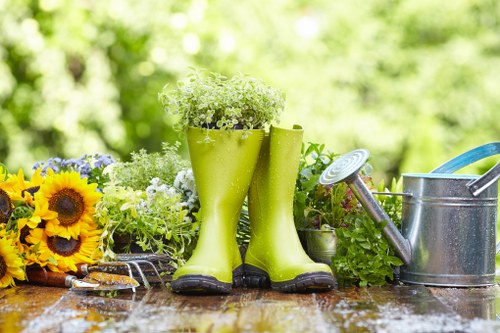 Community engagement is vital. We work with local groups to host collection events, exchange days for seedlings and surplus plants, and seasonal drives to gather reusable items. By combining low-carbon transport, smart transfer station use and charity partnerships, Gardeners Yeading fosters a resilient, circular approach to garden waste.
In summary, Gardeners Yeading's recycling and sustainability plan blends practical infrastructure with civic collaboration: clear recycling percentage targets, effective use of local transfer stations, strong charity partnerships, and a low-carbon collection fleet are all part of a cohesive strategy. Whether you are a Yeading gardener, a community allotment manager, or a neighbour looking to reduce waste, your separation habits and support for reuse initiatives make a measurable difference. Together we can achieve a cleaner, greener neighbourhood and a sustainable rubbish gardening area that benefits people and planet.

